How In-Home Stroke Rehab Helps Recovery

Recovering from a stroke is one of the most challenging journeys a person can face. It affects not just physical movement but also speech, cognition, and emotional well-being. While hospital-based care plays a critical role in the acute phase, many patients and families are discovering that in-home stroke rehabilitation can be a powerful complement, and in some cases even a superior environment, for long-term recovery.
The Case for Recovering at Home
Research consistently shows that neuroplasticity, the brain's ability to reorganize and form new connections, is maximized when rehabilitation is consistent, repetitive, and meaningful. For many stroke survivors, the home environment provides exactly that: familiar surroundings, personal routines, and the motivation that comes from being close to family.
In a clinical setting, therapy is scheduled. At home, therapy can be woven into daily life. Practicing reaching for a glass in your own kitchen, navigating your own hallway, or buttoning your own shirt carries far more neurological weight than performing the same actions in a hospital gym. The context makes the exercise real.
What In-Home Physiotherapy Looks Like
A registered physiotherapist who visits your home begins with a comprehensive assessment of your functional abilities, home layout, and safety risks. From there, they develop a personalized rehabilitation plan that may include gait training and balance work to reduce fall risk, upper and lower limb strengthening exercises, transfer training (such as moving from bed to chair), range-of-motion work to address spasticity or stiffness, and education for caregivers and family members on how to safely assist.
The therapist also evaluates the home for hazards, loose rugs, poor lighting, lack of grab bars, and recommends modifications that reduce injury risk and support independence. This matters because balance changes after a stroke can raise the risk of falls and hip fractures, which can set recovery back significantly.
The Role of Massage Therapy in Stroke Recovery
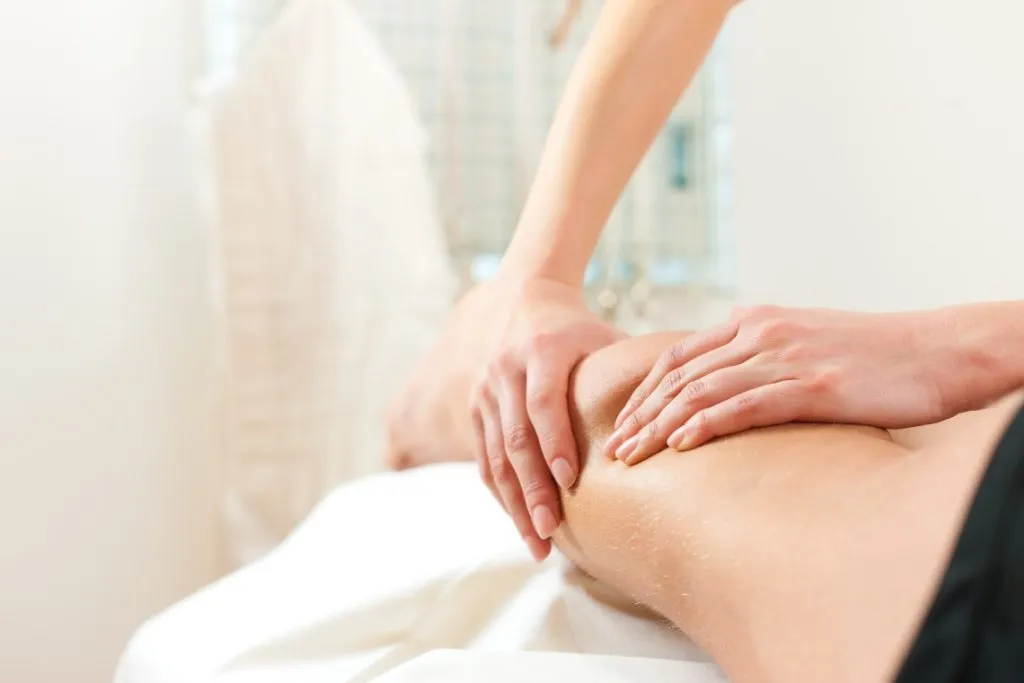
Registered Massage Therapists (RMTs) can also play a meaningful role in stroke rehabilitation. Neurological events like strokes often leave muscles in a state of hypertonicity (spasticity) or, conversely, reduced tone and weakness. Manual therapy techniques help maintain soft tissue health, reduce muscle guarding, improve circulation to affected limbs, and provide sensory stimulation that can support neural retraining.
Massage therapy is not a standalone cure, but as part of an integrated rehabilitation team, working alongside physiotherapists, occupational therapists, and speech-language pathologists, it can meaningfully contribute to a survivor's quality of life and functional outcomes. If you are weighing how the two disciplines fit together, our overview of physiotherapy versus massage therapy breaks down where each one helps most.
Consistency Is the Key
One of the biggest advantages of in-home rehab is the reduction in barriers to participation. Transportation to outpatient clinics can be exhausting or logistically difficult for stroke survivors. Fatigue is a major symptom post-stroke, and long travel times can deplete the very energy needed for productive therapy. When your therapist comes to you, more energy is directed toward recovery rather than getting there. The same principle is why starting physiotherapy soon after a hospital stay tends to produce better results.
Therapia provides in-home stroke rehabilitation across the Greater Toronto Area, including Toronto, North York, Scarborough, and Etobicoke.
The bottom line: stroke recovery is a marathon, not a sprint, and the environment in which you train matters. In-home rehabilitation gives stroke survivors the opportunity to do meaningful, consistent work in a setting that supports the brain's natural healing process. If you or a loved one is navigating life after a stroke, speak to your healthcare team about whether home-based physiotherapy or massage therapy could be part of your recovery plan. You can book an appointment online or call us at 416-526-6933.