

Preventing Common Sports Injuries with Simple Exercises

Every year, millions of people are sidelined by sports injuries — sprained ankles, strained muscles, sore knees. And while some contact-sport injuries are unavoidable, the truth is that a large proportion of the most common ones can be prevented with a little preparation. The key is building habits around strength, flexibility, and smart training before an injury has the chance to occur.
The most common injuries and where they happen
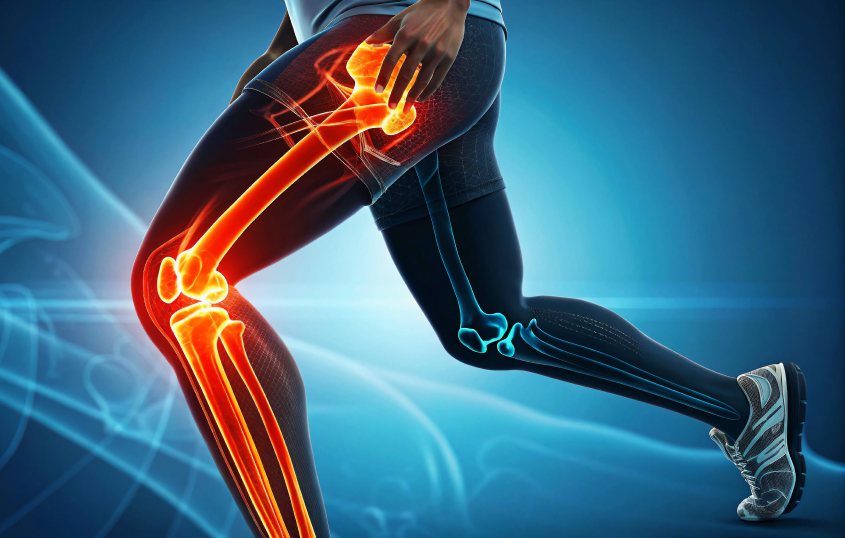
Knowing which areas of the body are most vulnerable is the first step in protecting them. The most frequently injured areas in sport include ankle sprains from ligament tears and rolling, knee injuries including ACL tears and runner’s knee, muscle strains in the hamstrings, quads, and calves, shoulder injuries like rotator cuff tears and impingement, shin splints from overuse and lower leg stress, and lower back pain from weak core and poor form.
Most of these are caused by the same three culprits: inadequate warm-up, overuse from repetitive motion, and weak or imbalanced supporting muscles. Address those three things, and you dramatically lower your risk.
RELATED: Rehab Equipment
Six exercises that actually make a difference
Dynamic leg swings. Stand on one leg and swing the other forward and back in a controlled arc, 10 reps per side. This mobilizes the hip and knee joints and primes the muscles for running or jumping, replacing harmful cold static stretches before activity.
Single-leg balance hold. Stand on one foot for 30–60 seconds, then progress to doing it with eyes closed. This builds proprioception — your body’s sense of joint position — which is one of the strongest predictors of ankle sprain risk.
Bodyweight squats. Three sets of 15 reps, focusing on keeping knees tracking over toes and hips pushing back. Strong quads and glutes support the knee joint and reduce ACL injury risk, particularly in sports involving cutting and jumping.
Plank holds. Hold a forearm plank for 20–40 seconds, building gradually. A strong core stabilizes the spine during dynamic movement, reducing the load placed on the lower back and hips — two of the most strained areas in sport.
Nordic curl progression. Kneel and lower your torso forward slowly, using your hamstrings as a brake. This eccentric exercise is supported by robust evidence for reducing hamstring strain — one of the most common and recurrent injuries in field sports.
Hip flexor lunge stretch. Kneel on one knee, back leg extended behind you, and lean gently forward. Hold for 20–30 seconds per side. Tight hip flexors from prolonged sitting load the lower back and knees during sport — this stretch counteracts that directly.
The 10% rule and why rest matters
RELATED: Physiotherapy Rehabilitation Exercises
Overuse injuries — shin splints, tendinitis, stress fractures — almost always result from doing too much, too soon. The 10% rule is a simple and effective guardrail: increase training load by no more than 10% per week, and give your body time to adapt between sessions. Alternating between high-intensity and low-intensity days, and varying the muscle groups you target, also significantly reduces overuse risk.
The American Academy of Orthopaedic Surgeons recommends strength training 2–3 times per week targeting the core, legs, and upper body, combined with dynamic stretching before activity and static stretching after, held for up to 20–30 seconds per muscle group.
Prevention is always better than rehab
You don’t need to overhaul your training to significantly reduce your injury risk. A consistent warm-up routine, a handful of targeted strengthening exercises, proper cool-down stretching, and a sensible approach to training load will protect your body far more effectively than reacting to an injury after the fact. Think of it as maintenance, not extra work — and your body will reward you with fewer setbacks and more time doing what you love.
If you’re dealing with a recurring sports injury or want a personalized injury prevention program, Therapia’s physiotherapists come to you. We serve athletes and active people across Toronto, Markham, Vaughan, Oakville, and the wider GTA. Book an appointment or call 416-526-6933.

.png)