Why Mobility Matters as We Age

Ask most people what they want as they grow older, and the answers tend to cluster around the same themes: independence, health, time with loved ones, and the ability to enjoy life's simple pleasures. What many people don't realize is that all of these things are profoundly connected to one underlying factor: mobility.
Mobility, our ability to move freely, safely, and with adequate strength and balance, is arguably the most important predictor of healthy aging. And yet, it's often the last thing we think about until we've already started to lose it.
The Gradual Decline We Don't Notice
Mobility loss rarely happens overnight. It's a gradual process, often masked by subtle compensations. You start taking the elevator instead of the stairs. You avoid walking on uneven ground. You hold the railing every time, then hold it with both hands. You hesitate before getting up from a low chair. Each of these micro-adaptations is the body's way of protecting itself, but collectively, they signal a narrowing of functional capacity.
After the age of 30, we begin losing muscle mass at a rate of 3 to 8% per decade, a process that accelerates significantly after 60. Bone density decreases, raising the risk of osteoporosis. Joints lose cartilage, contributing to osteoarthritis and other forms of arthritis. Reaction time slows. Flexibility diminishes. These changes are normal, but they are not inevitable, at least not at the rate most people experience them.
Why It Matters Beyond the Physical
Reduced mobility has consequences that extend well beyond aching joints. Research consistently links mobility limitations in older adults to increased rates of depression and social isolation, cognitive decline, higher fall risk and hospitalization rates (including hip fractures), loss of independence and increased caregiver burden, and earlier entry into long-term care facilities.
When we can't move freely, we often stop engaging with the world. We stop attending social events, visiting friends, taking walks in the neighbourhood. The body and the mind are not separate systems, reduced physical engagement diminishes mental and emotional health too.
The Role of Physiotherapy and Massage
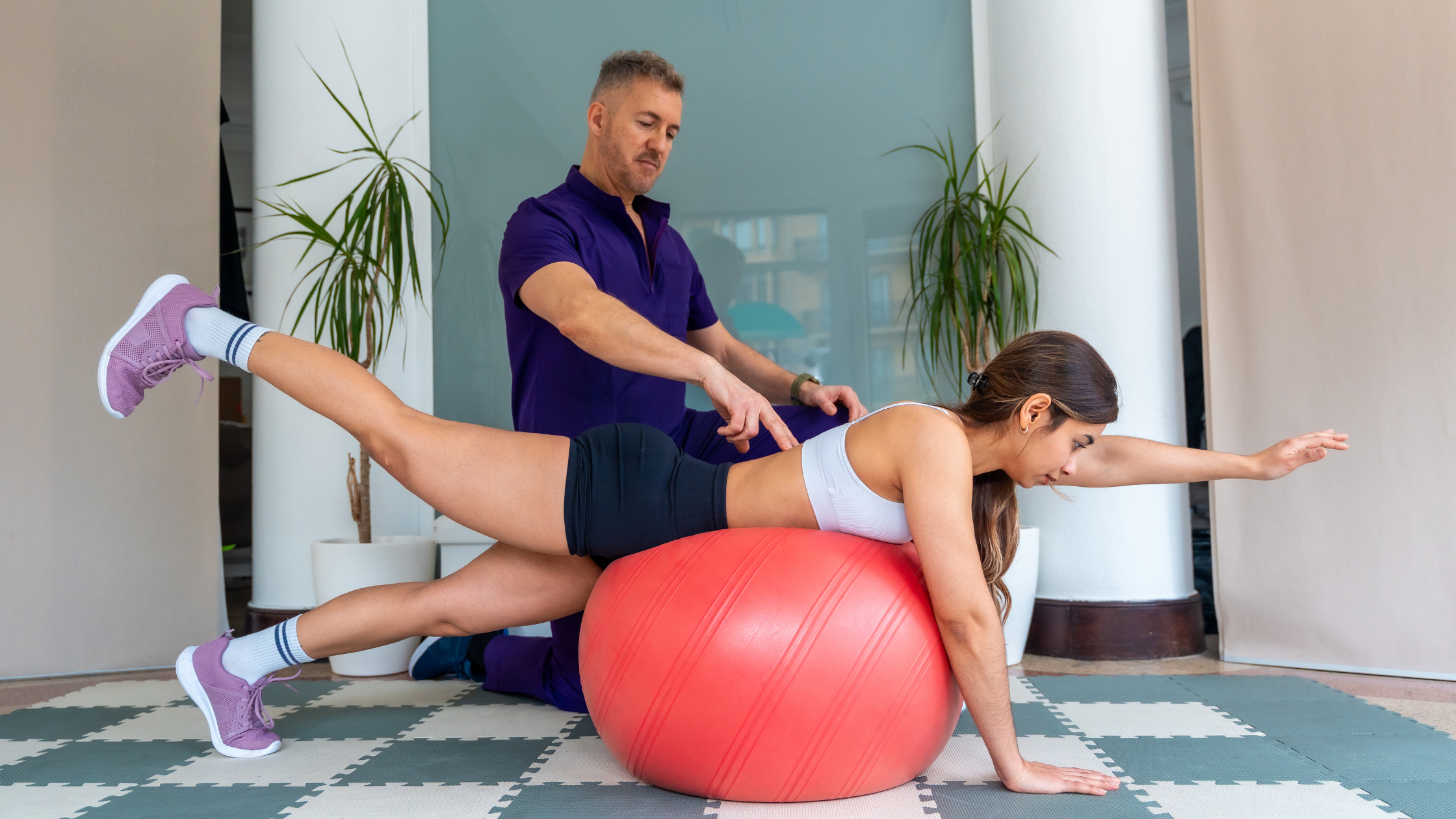
The encouraging news is that mobility can be improved at any age. Physiotherapists specialize in assessing movement, identifying impairments, and creating individualized programs to restore and maintain functional capacity. Whether the goal is recovering from a joint replacement such as a knee replacement or hip replacement, rebuilding strength after surgery, managing arthritis, or simply moving better and with greater confidence, physiotherapy provides evidence-based strategies that work. Simple routines like daily stretching and walking drills help maintain range and balance.
Registered Massage Therapy complements these goals by addressing the soft tissue component of mobility: releasing chronically tight muscles, improving joint range of motion through surrounding tissue work, reducing pain that inhibits movement, and improving overall body awareness and circulation. Many older adults find that regular massage therapy helps them move more freely and recover more quickly from physical activity. For balance-related concerns, our guidance on fall prevention and on managing sciatic pain may also help.
Start Before You Have To
One of the most important things to understand about mobility is that the best time to address it is before there's a crisis. Preventive physiotherapy, regular check-ins to assess strength, balance, posture, and movement quality, is far more effective than rehabilitation after a fall or injury.
Think of it the way you think of dental care. You don't wait until you have a cavity to start brushing. You maintain the health of your teeth daily and see the dentist periodically for professional assessment. Mobility is no different.
Therapia provides in-home physiotherapy and massage therapy for older adults across Toronto, Mississauga, Oakville, and Richmond Hill.
If you're in your 50s, 60s, 70s, or beyond and you haven't thought about your mobility lately, now is the time. A simple assessment with a physiotherapist can reveal your current strengths, identify areas of concern before they become problems, and set you on a path toward an active, independent life for years to come. Book online or call 416-526-6933. Movement is medicine, and it's never too late to start.