Managing Arthritis Pain with Movement Instead of Rest

If you've been told you have arthritis, whether osteoarthritis, rheumatoid arthritis, or another form, your first instinct might be to protect the sore joints by moving less. It's a natural response to pain. But decades of research, and the lived experience of countless patients, point in the same direction: movement is medicine.
The Rest Trap
When joints are painful and stiff, rest feels like the logical fix. And there's certainly a time and place for easing load during a significant flare-up. But defaulting to inactivity as a long-term strategy tends to make arthritis worse, not better.
Here's why. Cartilage, the cushioning tissue inside joints, has no direct blood supply. It gets its nutrients from the synovial fluid around it, and that fluid only circulates properly through movement. When a joint sits still for long stretches, the cartilage is starved of nutrition, the surrounding muscles weaken and lose their ability to support the joint, and stiffness compounds. A body that moves less also tends to carry more weight, which piles mechanical load onto the hips, knees, and spine. The result is a self-reinforcing cycle: pain leads to inactivity, inactivity leads to weakness and weight gain, and both lead to more pain, often showing up as knee pain.
What Kind of Movement Helps?
The key is the right type, intensity, and frequency of movement for your condition and fitness level. Low-impact activities like walking, swimming, cycling, and gentle strength training build the muscle support arthritic joints need without excessive loading through damaged cartilage. A sit-to-stand exercise is a great low-impact way to build leg strength, and walking drills help keep you steady.
Stretching and mobility work help maintain range of motion and ease morning stiffness. Strength training, even at very modest levels, meaningfully reduces pain and improves function in people with osteoarthritis of the knee and hip. The goal isn't to push through sharp pain. It's to tell the difference between the discomfort of tissues adapting to new demand, which is normal and temporary, and pain that signals harm.
How Physiotherapy and Massage Therapy Help
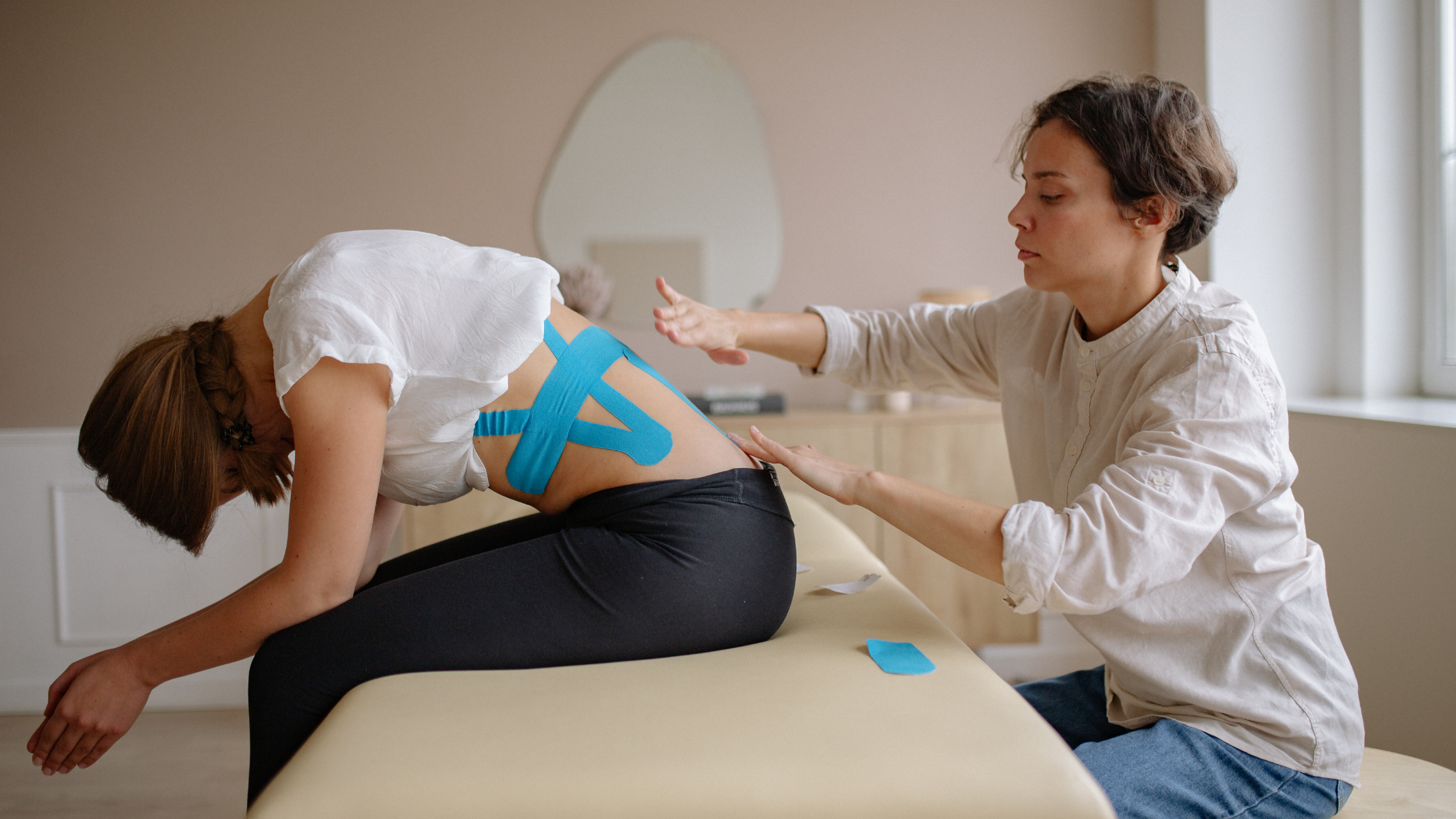
A physiotherapist can assess how your arthritis is affecting your movement, identify compensations that are creating secondary pain elsewhere, and design an individualized program that keeps you progressing safely. Education about joint protection and activity modification is a core part of physiotherapy for arthritis, and for advanced joint damage it also supports recovery around a knee replacement or hip replacement.
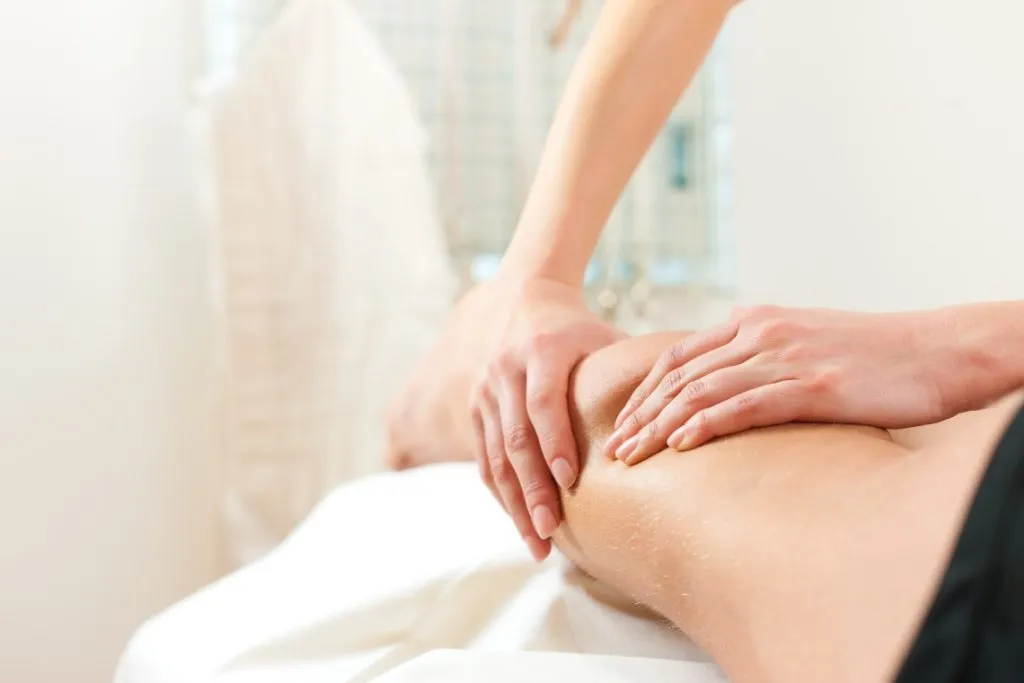
Registered massage therapy is an effective complement, easing the muscle tension that builds around painful joints, improving circulation, and lowering overall pain sensitivity. Many people find regular RMT lets them exercise more comfortably and recover faster. Staying active this way connects directly to why mobility matters as we age and to steady, confident movement that supports fall prevention.
Because we're a mobile practice, we're well suited to support people living with arthritis, since getting out to a clinic can be a barrier when joints hurt. We bring evidence-based care to your home across the GTA, including Toronto, Oakville, Mississauga, and Richmond Hill. Arthritis doesn't have to mean slowing down. With the right support and a movement-first approach, most people can live actively and well. Book online or call 416-526-6933.